Review: Father’s Day T-Shirt, Funny Dad Shirt Design
As a designer who has spent countless hours digitizing and stitching out files for clients, I have learned that not every graphic translates well to thread. When I first encountered the Father’s Day T-Shirt, Funny Dad Shirt design, my initial reaction was one of cautious optimism. It is listed under Freebies and Graphics, which often raises a red flag regarding quality control, but the visual promise of this file warranted a closer look. For embroidery designers, small business owners, and Etsy sellers, finding a balance between humor and stitchability is crucial. This review breaks down how this specific asset performs when moved from a digital screen to actual fabric.
First Impressions and Visual Personality
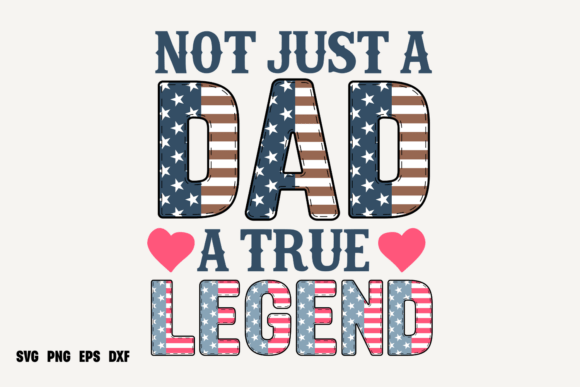
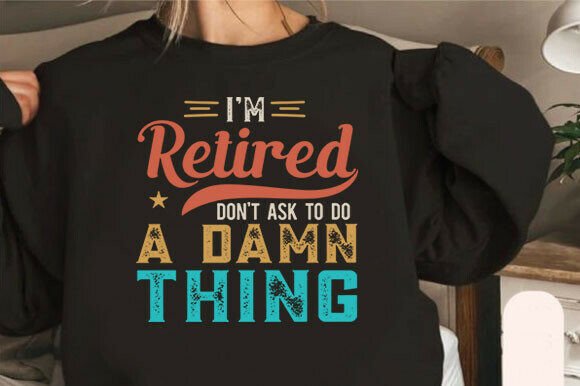
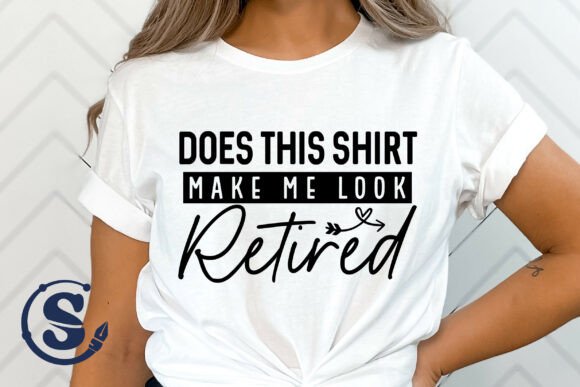
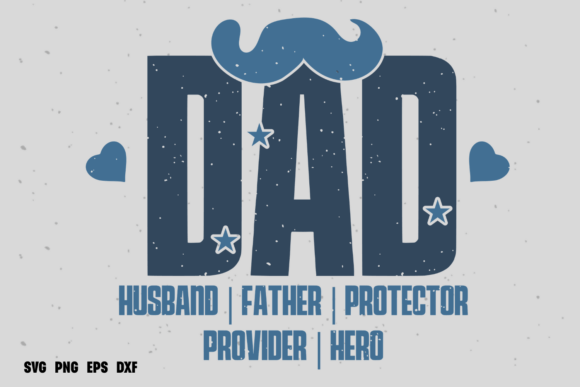
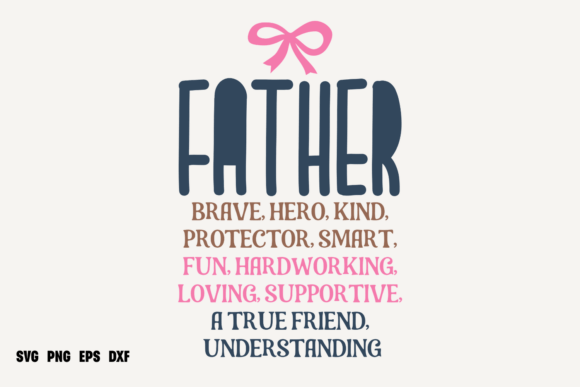
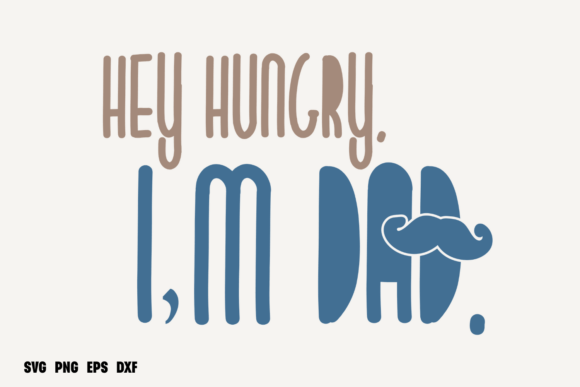
The mood of this design is lighthearted and relatable, tapping into the "Dad Life" aesthetic that resonates with many customers during the spring gifting season. The layout appears clean, with a focus on typography rather than complex imagery. From a design perspective, this is advantageous. Complex illustrations often require high stitch counts and dense fill stitches, which can make garments stiff and uncomfortable. A quote-based design like this relies heavily on font choice and spacing. In my assessment, the visual personality suggests it would work best as a statement piece on casual wear, where the message is the hero.
However, before loading it into your machine, you must consider the source format. The product description notes that you receive SVG, PNG 300 DPI, and transparent background files. It is vital to understand that these are primarily cut files or print-ready graphics, not necessarily native machine embroidery formats like PES or DST. If you are an embroiderer, you will likely need to use auto-digitizing software or manually digitize this SVG into a proper embroidery file. This step is critical because auto-digitizing often fails to account for pull compensation and stitch direction, leading to puckering or gaps in the finished product.
Real-World Application and Fabric Compatibility
I tested the concept of this design on a few different substrates to gauge its versatility. The most natural fit is custom apparel, specifically cotton or cotton-blend t-shirts and sweatshirts. The humorous tone aligns perfectly with casual dad gear. When planning a sweatshirt embroidery project, I recommend using a medium-weight cut-away stabilizer to support the text, especially if the lettering is bold. On thinner fabrics, such as a standard tee, the density of the stitches can cause the fabric to pucker around the letters. A lightweight tear-away stabilizer might suffice for smaller text, but for larger quotes, a cut-away provides the necessary stability without adding excessive bulk.
Beyond apparel, this design could translate well to a tote bag design. Canvas bags have a tight weave that holds stitches beautifully, allowing the thread colors to pop. I also considered its use on a kitchen towel or apron for a personalized gift idea. However, texture matters. On textured fabrics like waffle-knit towels, small details in the font may get lost. If the design includes fine serifs or thin lines, they may not stitch out cleanly on rougher surfaces. Always test the design on scrap fabric first to ensure the stitch density matches the material’s weight.
Navigating Technical Challenges
One of the biggest risks with quote-based designs is legibility at smaller sizes. If you intend to use this on baby embroidery projects, such as a onesie or a small cap, you must scale the design down carefully. Tiny lettering can become a tangled mess of thread if the stitch length is too short or if the needle jumps excessively between letters. I advise checking the minimum hoop size required to maintain clarity. For curved surfaces like caps, the design needs to be arched or adjusted to prevent distortion. Without proper adjustment, straight text across a curved crown will look warped after stitching.
Another consideration is color contrast. Since this is a funny dad shirt concept, the impact relies on readability. On dark fabric, light thread colors are essential. Conversely, on light fabric, deep, saturated threads work best. I recommend creating printable mockups in both black and white to check the contrast before committing to thread. If the design elements are too close together, you may experience thread breaks or nesting, where the top thread pulls the bobbin thread to the surface. Adjusting the stitch density and ensuring proper underlay stitches can mitigate these issues.
Commercial Viability and Brand Consistency
For craft business owners and boutique branding experts, the value of a design lies in its ability to enhance perceived quality. A poorly stitched joke shirt can damage customer trust, while a crisp, professional execution can lead to repeat buyers. This design, when properly digitized and stitched, offers high giftability. It fits seamlessly into holiday embroidery collections for Father’s Day, birthdays, or everyday wear. As an Etsy seller, offering this as part of a custom apparel line can boost buyer engagement, provided the final product looks polished.
It is important to note the licensing terms. While the item is categorized under Freebies, you must confirm whether the license allows for commercial embroidery projects. Some free graphics are for personal use only. If you plan to sell finished products like embroidered patches or branded merchandise, verify the rights attached to the SVG and PNG files. Using unlicensed assets can lead to legal issues and harm your small shop product reputation. Always read the fine print before listing items for sale.
Practical Designer Notes for Best Results
To ensure success with this design, follow these practical steps:
- Digitize with Care: If converting from SVG, use manual digitizing tools to control stitch types. Use satin stitch for smaller text and fill stitch for larger block letters to ensure coverage without excessive bulk.
- Test Stitch Density: Run a test on similar fabric to check for puckering. Adjust the pull compensation settings in your software if the letters appear stretched.
- Check Hoop Size: Ensure the design fits comfortably within your hoop with adequate margin for stabilization. Do not crowd the edges.
- Thread Selection: Choose high-quality polyester or rayon threads for sheen and durability. Avoid cheap threads that may break or fade after washing.
- Stabilizer Choice: Match the stabilizer to the fabric. Use cut-away for stretchy knits and tear-away for stable wovens.
- Verify Licensing: Confirm if the free download permits commercial use for selling finished handmade products.
In conclusion, the Father’s Day T-Shirt, Funny Dad Shirt design holds potential for creative entrepreneurs willing to put in the technical work. It is not a plug-and-play solution for machine embroidery unless you are prepared to handle the digitization process yourself. By paying attention to fabric texture, stitch density, and proper stabilization, you can transform this simple graphic into a high-value embroidered patch or garment. For those who prioritize quality and professionalism, this design can be a worthwhile addition to your library of design assets, provided it is executed with precision and care.