Daddy is My Boo: A Designer’s Review for Real Embroidery Projects
As an embroidery designer who has spent countless hours digitizing, testing, and stitching out thousands of files, I approach every new machine embroidery design with a critical eye. It is not just about whether the artwork looks cute on a screen; it is about how it translates to thread, how it behaves on fabric, and whether it holds up in a real-world commercial or personal setting. Recently, I evaluated Daddy is My Boo, a graphic asset that promises versatility across various mediums. Here is my honest assessment of how this design performs when moved from digital concept to physical embroidery project.
First Impressions and Visual Personality
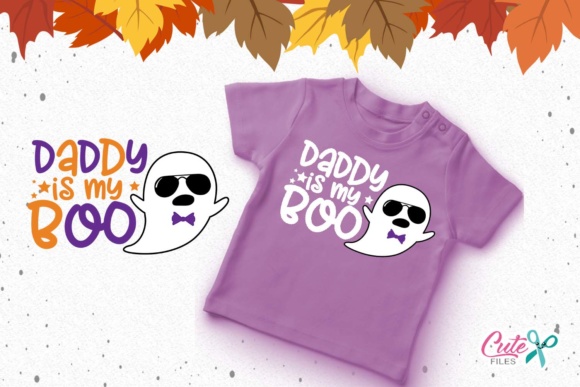
The phrase "Daddy is My Boo" carries an immediate emotional weight. It is playful, affectionate, and undeniably trendy within the niche of family-centric apparel. Visually, the layout suggests a balance between bold statement typography and decorative elements. For a designer, the first thing I look for is clarity. Does the message read well from a distance? In this case, the theme is clear, making it an ideal candidate for items meant to be seen and appreciated, such as a sweatshirt embroidery piece or a standout tote bag design.
The mood is lighthearted and warm. This is not a design for corporate branding or minimalist home decor; it belongs in the realm of personalized gifts and boutique family wear. When I visualize this stitched out, I see it working best on soft, comfortable fabrics where the sentiment feels at home. The visual personality is friendly, which helps build instant connection with the end-user, whether they are buying for themselves or as a personalized gift for a new father.
Real-World Application and Stitching Performance
To truly test a design, you have to imagine it in action. I pictured this design on a high-quality cotton tote bag, intended as a baby shower gift. The challenge here is always the fabric texture. A tote bag often has a coarser weave than a t-shirt. If the design relies heavily on fine details or thin running stitch outlines, it might get lost in the texture. However, if the design utilizes robust fill stitch areas or well-defined satin stitch borders, it will pop beautifully against the canvas.
For custom apparel, such as a toddler’s t-shirt or a dad’s hoodie, the scale becomes crucial. A design that looks perfect at four inches might feel overwhelming on a small child’s chest or too tiny on a large adult back. I recommend testing the sizing carefully. On a baby embroidery item like a onesie, space is limited. You must ensure that any accompanying graphics do not crowd the text, maintaining legibility even after washing.
Another practical scenario is the embroidered patch. Patches are trending in the craft community, and this design could work well if digitized with a clean border. However, since the product description mentions SVG, DXF, EPS, and PNG files rather than specific embroidery formats like PES or DST, it is likely intended for cutting machines or print-on-demand services initially. If you plan to use this for machine embroidery, you may need to convert these graphics into a proper embroidery file using digitizing software, ensuring you account for stitch density and pull compensation.
Navigating Fabric and Hoop Constraints
Not every fabric is created equal, and Daddy is My Boo requires thoughtful material selection. On stretchy fabrics like jersey knits, stability is key. Without a proper stabilizer, the design can pucker, distorting the letters and ruining the professional look. I always advise using a cut-away stabilizer for garments that will be washed frequently, as it provides long-term support.
Dark fabrics present another challenge. If the design includes light-colored elements, you must ensure high contrast. A thread colors palette that clashes with the background will make the design hard to read. I recommend creating black and white mockups before stitching to check value contrast. Additionally, curved surfaces like caps require specialized handling. If you attempt this on a hat, ensure the design width fits within your cap frame and that the curvature does not distort the text alignment.
Be cautious with small hoop sizes. If you are working with a 4x4 inch hoop, you may need to resize the design significantly. This can lead to loss of detail if the original graphic is complex. Always inspect small details after resizing. Tiny lettering can become illegible if scaled down too far, turning beautiful curves into blobby stitches.
Commercial Viability and Brand Consistency
For Etsy sellers and small shop owners, the commercial viability of a design is paramount. Daddy is My Boo fits squarely into the gift market, which is evergreen. It works for Father’s Day, birthdays, and everyday family bonding moments. Using this in your craft business can help diversify your design assets portfolio. However, professionalism is key. A sloppy stitch-out reflects poorly on your brand. Ensure that your tension is correct and that there are no loose threads or jumps visible in the final finished product.
Customer trust is built on consistency. If you offer this as part of a collection, ensure the style matches your other listings. Whether you are selling digital embroidery file conversions or physical handmade product items, the quality must be uniform. This design can enhance buyer engagement because it taps into emotional storytelling. People do not just buy a shirt; they buy the feeling of being a "boo" to their dad.
Practical Designer Notes for Best Results
Before committing to a full production run or a client order, follow these practical steps:
- Test on scrap fabric: Always stitch a sample on the same type of fabric you intend to use for the final product. This reveals issues with tension and density.
- Check licensing: The product description lists SVG, DXF, EPS, and PNG files. Confirm whether the license allows for commercial use of the resulting physical items or if it is for personal use only. This is critical for commercial embroidery projects.
- Verify file compatibility: Since the included files are vector and image formats, you may need to digitize them yourself or hire a digitizer. Ensure you have the right software to convert these into machine-readable formats.
- Contrast check: Test the design on both light and dark backgrounds to ensure visibility.
- Hoop size confirmation: Measure your design dimensions against your machine’s maximum hoop size to avoid resizing errors.
In conclusion, Daddy is My Boo is a charming addition to any designer’s library, provided it is handled with technical care. It offers strong emotional appeal and versatility for various T-Shirt Designs and home goods. By paying attention to fabric choice, stabilization, and proper digitizing practices, you can transform this graphic into a high-quality, profitable small shop product that customers will love to wear and gift.