Dad of the Birthday Boy Donut SVG: A Designer’s Review
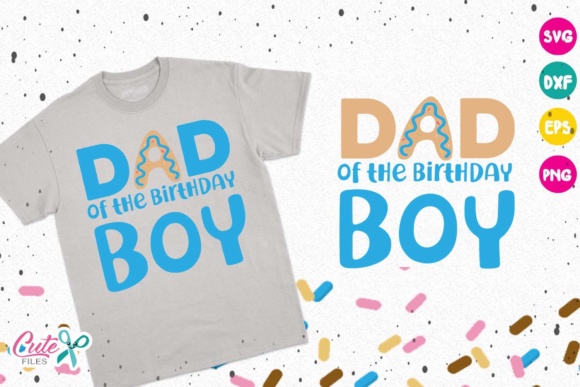
When I first pulled up the Dad of the Birthday Boy, Donut Birthday Svg on my screen, I was looking for more than just a cute graphic. As an embroidery designer who has spent years translating digital vectors into stitched reality, I evaluate every file with a critical eye toward stitchability and final presentation. This design immediately struck me as a playful yet structured piece that bridges the gap between whimsical illustration and clean, professional apparel decoration. It is not just another clipart element; it is a potential cornerstone for a seasonal product line.
First Impressions and Visual Personality
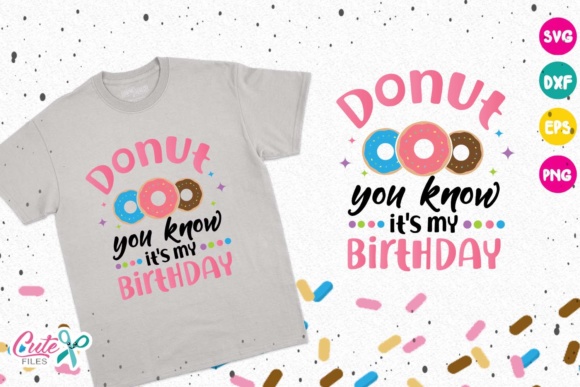
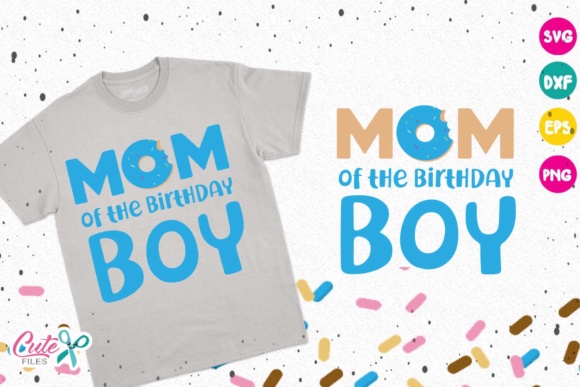
The mood of this design is celebratory without being chaotic. The combination of the bold "Dad of the Birthday Boy" typography with the iconic donut motif creates an instant narrative. For embroidery purposes, the layout is crucial. The text appears balanced against the graphic, ensuring that neither element overwhelms the other. In a real-world scenario, this balance is vital. If the text is too small relative to the donut, it becomes unreadable after stitching. If the donut is too detailed, it risks becoming a dense blob of thread on smaller garments.
From a visual standpoint, the design feels modern and approachable. It fits perfectly within the current trend of family-centric, event-specific apparel. However, as a reviewer, I look past the initial charm to assess the technical feasibility. The lines appear clean in the SVG format, which is a good sign for digitizing or using pre-digitized files. Clean paths usually translate to smoother satin stitches and fewer jumps in the final embroidery file.
Real-World Application: The Custom Sweatshirt Test
To truly understand how this design performs, I imagined a specific client project: a custom embroidered sweatshirt for a father attending his son’s first birthday party. The client wanted something durable, comfortable, and photogenic. This is where the Dad of the Birthday Boy, Donut Birthday Svg shines. On a medium-weight cotton blend sweatshirt, the design has enough presence to stand out without feeling heavy.
I considered the placement carefully. Centered on the chest, the design acts as a focal point. The donut adds a pop of color and personality, while the text delivers the message clearly. For an Etsy seller or small shop owner, this type of product is a high-value item. It is not just a t-shirt; it is a keepsake. The perceived value increases when the embroidery looks crisp and professional. Using this graphic as a base for a custom apparel piece allows for personalization, such as adding the child’s name or age below the main design, which enhances its appeal as a personalized gift.
Navigating Fabric and Hoop Constraints
While the design is versatile, it requires thoughtful execution depending on the substrate. When working with machine embroidery design files derived from SVGs, one must always consider the stitch density. If the original vector has very thin lines or tiny details, they may not survive the transition to thread. I recommend testing the design on scrap fabric first, especially if you are converting the SVG yourself or using a third-party digitizer.
For textured fabrics like towels or thick fleece, the fine details of the donut sprinkles might get lost. In these cases, simplifying the fill or using an applique design technique could be beneficial. By cutting fabric shapes for the donut and stitching them down, you reduce bulk and maintain clarity. This approach works exceptionally well for tote bag design projects or kitchen towels, where a flat, smooth finish is preferred over raised stitching.
Curved surfaces present another challenge. If you plan to use this on a cap, the hoop size limitation becomes critical. A standard front-panel cap hoop might constrain the width of the text. You may need to scale the design down, which could compromise the legibility of the smaller letters. Always check the minimum readable size before committing to a production run. For caps, consider removing the secondary text or stacking the elements vertically to fit the narrow hoop area.
Color Strategy and Thread Selection
The success of this design heavily relies on thread colors. The donut offers a fantastic opportunity for creative color blocking. A classic pink glaze with multi-colored sprinkles is safe, but exploring pastel tones or brand-specific colors can make the product stand out in a crowded marketplace. Contrast is key. Ensure the text color stands out sharply against the garment color. A dark navy thread on a black shirt will vanish, ruining the impact of the message.
I advise creating printable mockups in both light and dark variations before stitching. This helps visualize how the Graphics will interact with different backgrounds. For dark fabrics, consider using a white or light-colored stabilizer backing to prevent the garment color from showing through the stitches, a common issue with lower stitch density areas.
Commercial Viability for Small Businesses
For craft business owners and Etsy sellers, this design represents a strong addition to a seasonal catalog. It fits naturally into categories like holiday embroidery, birthday parties, and family reunion merchandise. The versatility of the included file formats—SVG, DXF, EPS, and PNG—means you can use it across multiple platforms. The SVG and DXF files are ideal for cutting machines if you want to create iron-on transfers or vinyl decals, while the EPS is useful for professional graphic design adjustments.
However, before listing finished products, verify the licensing terms. Most digital designers allow commercial use for physical items but restrict the resale of the digital file itself. Confirming this protects your business and respects the creator’s rights. Using this as a digital embroidery file source for your own digitizing work is a common practice, but ensure you have the right to modify and sell the resulting stitch files if that is your business model.
Technical Checklist for Embroiderers
- Test on Scrap: Always stitch a test sample on the same fabric type you intend to use for the final product.
- Check Stabilizer: Use a cut-away stabilizer for stretchy fabrics like t-shirts to prevent distortion, and tear-away for stable woven fabrics.
- Inspect Details: Zoom in on the SVG to identify any anchor points or tiny nodes that might cause machine errors during conversion.
- Contrast Check: Ensure high contrast between thread and fabric for maximum readability.
- Hoop Size: Confirm the design dimensions fit within your available hoop sizes, especially for hats and small patches.
Final Verdict
The Dad of the Birthday Boy, Donut Birthday Svg is a robust asset for designers who understand the nuances of embroidery production. It is not just a pretty picture; it is a functional design element that, when handled with care, produces high-quality finished product results. Whether you are creating a sweatshirt embroidery piece for a client or stocking your online shop with unique small shop product offerings, this design offers the flexibility and charm needed to engage buyers. By paying attention to stitch density, fabric choice, and color contrast, you can transform this digital graphic into a tangible, cherished item that celebrates family milestones with style and professionalism.