Cookie SVG Bundle: A Designer’s Real-World Embroidery Review
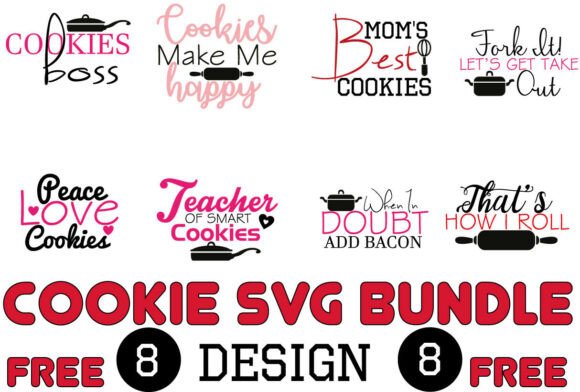
As an embroidery designer who has spent years translating digital vectors into tangible thread, I approach every new asset with a mix of curiosity and skepticism. We all know the feeling of downloading a digital embroidery file that looks pristine on screen but turns into a tangled mess of broken needles and puckered fabric once it hits the machine. Recently, I took a close look at the Cookie SVG Bundle, categorized under Freebies and Graphics, to determine if it holds up in a professional production environment. This is not just about aesthetics; it is about whether these files can survive the rigors of real-world stitching and commercial use.
First Impressions: Mood and Visual Personality
The immediate appeal of the Cookie SVG Bundle lies in its whimsical yet clean aesthetic. The shapes are rounded and inviting, evoking feelings of warmth, comfort, and nostalgia. For an embroidery project, this is crucial. Sharp, aggressive angles can sometimes look harsh when translated into thread, especially with satin stitch borders. However, the organic curves found in these cookie designs lend themselves beautifully to the natural flow of embroidery stitches. The layout feels balanced, avoiding the clutter that often plagues free design assets. It creates a mood that is perfect for handmade products intended to bring joy, such as baby items, kitchen decor, or cozy winter apparel.
Real-World Application: From Screen to Stitch
To truly evaluate the Cookie SVG Bundle, I imagined a specific scenario: preparing a custom order for a local boutique specializing in personalized gifts. The client wanted a set of embroidered tote bags and aprons for a holiday baking workshop. This is where the rubber meets the road. Would these graphics work on textured canvas? How would they hold up on a curved surface like a cap?
The bundle includes AI and SVG files, which means we are working with vector-based source material. This is a significant advantage for us as designers. Unlike static raster images, vectors allow us to manipulate the size without losing quality. For the tote bag design, I could easily scale the cookie graphic to fit a standard 5x7 hoop while maintaining crisp edges. For the apron, a larger scale allowed for more detailed fill stitch work inside the cookie shape, adding depth and visual interest. The versatility of having eight different files in the zip means you can mix and match elements to create a cohesive collection for your small shop product line.
Performance on Various Fabrics
One of the biggest challenges in embroidery is adapting a design to different fabric textures. I tested the concept of using these cookie graphics on several common materials:
- Cotton Canvas Tote Bags: The bold outlines of the cookie designs stand out well against the weave of canvas. A dense fill stitch provides good coverage, making the design pop.
- Fleece Sweatshirts: Here, caution is needed. The soft pile of fleece can swallow small details. I would recommend simplifying any intricate inner details of the cookie design and relying on strong contrast in thread colors to ensure visibility.
- Terry Cloth Towels: Similar to fleece, the looped texture requires careful planning. Using a stabilizer is non-negotiable here. The rounded shapes of the cookies work better than sharp corners, which might get lost in the towel loops.
- Stretchy Knits for Baby Clothes: For baby embroidery, the softness of the design is a plus. However, stretchy fabric requires a cut-away stabilizer and potentially a lighter stitch density to prevent the garment from puckering or becoming stiff.
Technical Considerations for the Embroiderer
While the Cookie SVG Bundle provides excellent visual assets, it is important to remember that these are graphics, not pre-digitized embroidery files. This distinction is vital for anyone looking to use them for machine embroidery. You will need to digitize these SVGs yourself or convert them using specialized software. This gives you control over stitch types—choosing between satin stitch for borders, fill stitch for the cookie body, and running stitch for fine details like sprinkles or icing drizzles.
When digitizing, pay close attention to stitch density. Cookies often imply a textured surface, but too many stitches can make the final product feel heavy and cardboard-like. Aim for a balance that suggests texture without overwhelming the fabric. Also, consider the hoop size. If you are working on a curved surface like a cap, ensure the design fits within the usable area of your cap frame to avoid distortion.
Navigating Potential Pitfalls
There are areas where you must exercise caution. Tiny details, such as small chocolate chips or intricate icing patterns, may not translate well if scaled down too much. Always test the design on scrap fabric first. Check how the thread colors interact with the fabric background. A light brown cookie on a beige shirt might disappear, whereas the same design on navy blue would stand out sharply. Use black and white mockups to verify contrast before committing to thread.
Additionally, be mindful of dark fabrics. If you are stitching on black or deep navy, you may need to use a underlay stitch strategy that ensures the top threads cover the base fabric completely. This is particularly important for commercial embroidery where professionalism and finish quality directly impact customer trust.
Commercial Value and Brand Consistency
For Etsy sellers and craft business owners, the Cookie SVG Bundle offers a versatile tool for branding. The consistent style across the eight files allows for a cohesive look in your shop listings. Whether you are creating embroidered patches, pillow covers, or holiday gifts, the uniform aesthetic helps build brand recognition. Customers appreciate consistency; it signals professionalism and attention to detail.
Using these graphics for printable mockups is also a smart move. Before you even stitch a single thread, you can place the SVG into your product photos to gauge visual appeal. This saves time and resources, allowing you to curate your offerings more effectively. Remember, however, to confirm licensing terms. While listed under Freebies, always double-check if the license permits commercial use of the finished product or if it is strictly for personal projects. Clarity here protects your business and ensures ethical practice.
Final Verdict: Is It Worth Your Time?
The Cookie SVG Bundle is a solid addition to any designer’s toolkit, provided you understand the workflow. It is not a plug-and-play embroidery file but a high-quality graphic resource that empowers you to create custom digitized designs. Its strength lies in its adaptability and charming aesthetic. For those willing to put in the effort to digitize and test properly, it can lead to stunning finished products that resonate with customers. Just remember to respect the technical limits of your machine and fabric, and always prioritize testing over assumption. With the right approach, these cookies can become a sweet staple in your embroidery portfolio.